
The paparazzi photo you thought was luck !!
Inside Bollywood's secret appearance playbook
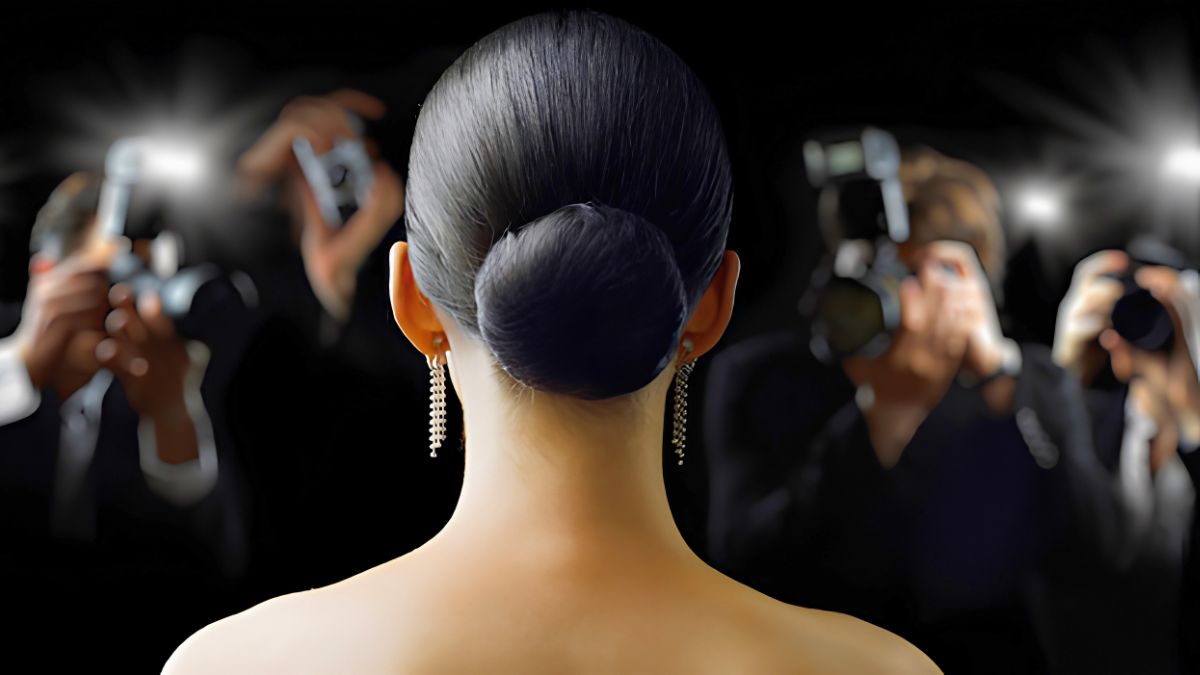
When a celebrity steps out of a restaurant and a handful of photographers happen to be waiting, people assume luck. Sometimes it is. Sometimes it is not. In my nearly three decades in Bollywood PR, I have learnt that the difference between a forgettable photograph and a useful one is almost never the camera. It is the thinking that came before it.
There is no single formula
Let me be clear at the start… there is no single formula. Where coverage is deliberately facilitated, it begins with a strategic decision about why the celebrity needs to be seen. A film may be coming up. There may be a brand association, an announcement or a professional milestone. A new look may need introducing. Or the celebrity may simply need to remind the audience that they are relevant and active.
Only after that do I consider the environment, the timing, the appearance and the likely audience response.
Decide the perception first
This is the part most people get backwards. They think about the photograph and hope the meaning follows. I do the opposite. You decide what you want the audience to perceive first, and then every other element is considered around that objective.
Each detail carries weight:
- Location establishes context.
- Timing determines relevance and freshness.
- Attire can reinforce fashion, fitness, sophistication or a particular image.
- Company can create an entirely different narrative.
- Body language influences whether someone appears approachable, serious, relaxed, happy or uncomfortable.
Even something as small as whether a celebrity stops for photographs or simply walks past can change the resulting perception.
What actually happens
Once the objective is clear, the mechanics are fairly simple. If photographers are being informed, the relevant logistical information is communicated. Many PRs keep WhatsApp broadcast lists for exactly this purpose, inviting photographers for coverage. The celebrity then appears, the photographers shoot, and the material enters the distribution process.
But I would stress that this is not a rigid, scripted production. Good PR creates the conditions for a story without making the story look manufactured. That distinction is extremely important. The moment an appearance looks staged, it stops working.
A collaboration, not a dictatorship
A good publicist should have a significant strategic say, but PR is not dictatorship. The publicist understands the media and perception side. The celebrity understands their own personality, circumstances and boundaries. The celebrity has to be comfortable with what is being asked of them.
The same applies to the photographer, who has creative control over the photography itself. The celebrity controls what they are willing to do. The PR team holds the understanding of what the appearance is meant to communicate. The most effective arrangements are collaborative because everybody brings a different expertise. My role is to say, “This is what I believe will work and this is why.” It is never to impose something the client fundamentally does not want.
Know your audience
The audience is central to all of this. You cannot build a useful public image without understanding who is consuming it. The audience for a young, emerging actor is very different from the audience for an established star. A fashion-led appearance has a very different purpose from an airport appearance with family. PR is fundamentally about connecting the right message with the right audience at the right moment.
What I would tell any PR client
Before an appearance is arranged, ask what you want people to think, who you want to think it and when. Then build the location, timing, attire and company around that answer. Keep it natural, keep the celebrity comfortable and never let it look planned.